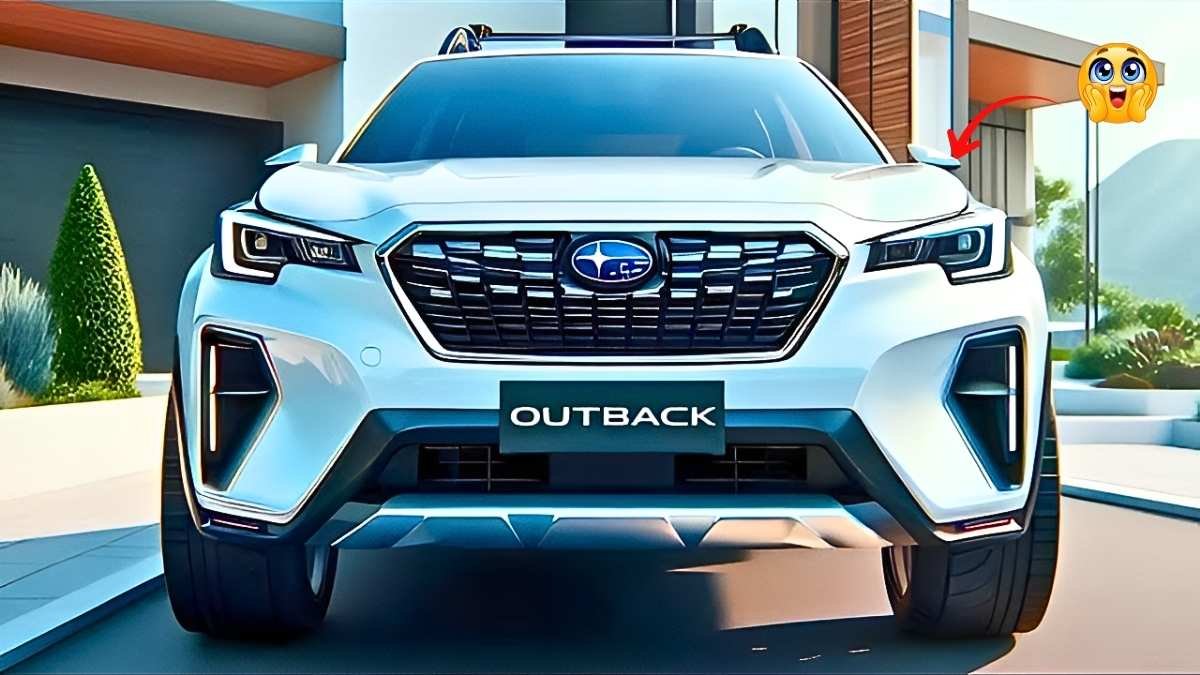
An In‑Depth Look at the 2026 Subaru Outback
The 2026 Subaru Outback arrives with a subtle yet confident refresh that shows the brand listening to both longtime fans and new buyers. While the core ethos—rugged practicality paired with a smooth on‑road character—remains intact, Subaru has taken the opportunity to modernise the SUV’s appearance, inject a hybrid powertrain and elevate the cabin’s feel. The result is a model that feels simultaneously familiar and forward‑thinking, making it a strong contender for anyone who needs a vehicle that can handle mountain passes, school runs and weekend get‑aways with equal poise.
Refined Exterior Styling
Subaru’s latest styling cues focus on clarity rather than flash. The front fascia now sports a broader, matte‑finished grille that appears more assertive without shouting for attention. LED headlamps have been reshaped into a slightly sharper silhouette, and a new daytime running light strip adds a contemporary touch. Wheel arches are a touch wider, allowing for larger alloy wheels that sit behind subtly sculpted side panels, giving the Outback a more athletic stance.

Chrome is used sparingly—only on the door handles, roof‑rail caps and the rear badge—so the overall look stays grounded. Roof rails retain their iconic presence, hinting at the model’s adventure pedigree, while the rear bumper integrates a fresh set of exhaust tips and a discreet diffuser that improves aerodynamics. Even from a city street, the SUV conveys confidence; on a trail, the same design language translates into a vehicle that looks ready for the unknown.
The New Hybrid Powertrain
At the heart of the 2026 model sits a plug‑in hybrid system that marries a 2.4‑liter turbocharged gasoline engine with a pair of electric motors, one on each axle. The combined output reaches roughly 260 horsepower, a modest bump over the conventional engine but delivered with a smoother, more immediate torque curve.

All‑wheel drive remains standard, and the electric assist is intelligently distributed to improve traction in low‑grip situations. When cruising at highway speeds, the gasoline engine can shut down, allowing the car to glide on electric power alone, which translates to an estimated 30‑mile electric‑only range and a fuel‑economy rating that rivals many cross‑overs in the segment. Regenerative braking, an active thermal management system and a predictive energy‑usage algorithm work together to keep the battery within its optimal window, reducing the need for frequent charging stops on longer trips.
Driving Experience and Chassis Refinement
Subaru has retuned the suspension to complement the hybrid’s quieter operation. The front MacPherson struts and rear multi‑link setup now feature slightly softer spring rates and adaptive dampers that react to road conditions in real time. This results in a ride that feels composed on the highway yet capable of absorbing the occasional bump on a gravel road.

Steering is precise, with a modest steering ratio that gives drivers a sense of connection without being overly twitchy. The addition of an electronic limited‑slip differential further enhances stability when cornering on slick surfaces. Active stability control, now integrated with the hybrid’s torque vectoring, can intervene earlier, keeping the vehicle planted during sudden lane changes or evasive maneuvers.
Overall, the driving dynamics retain the Outback’s reputation for confidence while adding a layer of refinement that makes daily commuting feel less like a chore and more like a pleasant drive.
Upgraded Interior and Comfort
Inside, Subaru has focused on an upscale yet functional cockpit. Soft‑touch materials line the dashboard and door panels, while the seats receive higher‑density foam cushions and optional leather‑like upholstery. The front seats are power‑adjustable with memory settings, and heated options are standard across the range.
The infotainment interface has been upgraded to a 12.3‑inch portrait touchscreen that runs on Subaru’s updated STARLINK system. It offers wireless Apple CarPlay and Android Auto, integrated navigation with real‑time traffic updates, and a customizable home screen that can display climate data, fuel‑economy stats or media sources at a glance.

Cargo space remains generous, with 32.5 cubic feet behind the second‑row seats and up to 75.5 cubic feet with the rear bench folded flat. clever storage solutions—such as a refrigerated compartment behind the passenger seat and a removable cargo net—add practical touches for outdoor enthusiasts.
Safety Suite and Driver Assistance
Safety continues to be a centerpiece for Subaru, and the 2026 Outback builds on the brand’s EyeSight driver‑assist platform. The system now includes a next‑generation adaptive cruise control that can handle stop‑and‑go traffic in urban settings, lane‑centering assist that subtly nudges the vehicle back into its lane, and a forward‑looking radar that predicts potential collisions up to 2 seconds in advance, activating pre‑collision braking when necessary.

Blind‑spot monitoring now pairs with rear cross‑traffic alert, providing a full‑circumference awareness view. A 360‑degree camera system offers a bird’s‑eye perspective, making tight parking maneuvers less stressful. For those who prefer a more relaxed driving style, a “Comfort” driving mode softens throttle response and reduces steering feedback, while a “Sport” mode sharpens both for more spirited driving.
Connectivity and Convenience Features
The cabin is equipped with three USB‑C ports in the front and two in the rear, alongside a wireless charging pad for compatible smartphones. A premium 12‑speaker audio system with a dedicated subwoofer creates a rich soundstage, and a built‑in Wi‑Fi hotspot keeps passengers connected on the go.
Keyless entry and push‑button start are standard, as is a digital driver display that can be customized to show navigation, battery state, off‑road torque distribution or other metrics important to the driver. Climate control now operates on a dual‑zone system with an automatic temperature management feature that learns the occupants’ preferred settings, further enhancing comfort.
Final Thoughts
The 2026 Subaru Outback feels like a thoughtful evolution rather than a radical overhaul. By integrating a plug‑in hybrid system, refreshing the exterior, and enriching the interior, Subaru has addressed the expectations of modern buyers without sacrificing the rugged, dependable character that has defined the model for decades.

If you need a vehicle that can tackle a weekend hike, transport a family with ease, and still deliver respectable fuel economy, the new Outback makes a compelling case. It sits comfortably between traditional off‑roaders and luxury cross‑overs, offering a balanced blend of capability, technology and everyday practicality that should appeal to a wide range of drivers.
Frequently Asked Questions
1. How long does it take to fully charge the hybrid battery?
Using a Level 2 240‑volt charger, the battery can be replenished in roughly 2.5 hours. A standard household outlet will take about 8 hours for a full charge.
2. Is the all‑wheel‑drive system still mechanical?
Yes, the Outback retains its mechanical full‑time AWD, now augmented with electric torque vectoring from the hybrid motors for improved traction.
3. What warranty coverage does Subaru provide for the hybrid components?
Subaru offers a 5‑year/60,000‑mile warranty on the hybrid battery and related electronics, in addition to the standard 3‑year/36,000‑mile bumper‑to‑bumper coverage.

4. Can I still tow with the 2026 Outback?
The rated towing capacity remains at 3,500 pounds when equipped with the proper hitch package, which is ample for small trailers and boat racks.
5. Does the vehicle support over‑the‑air software updates?
Yes, STARLINK can receive OTA updates for infotainment, navigation maps and certain driver‑assist calibrations, reducing the need for dealership visits.
Disclaimer
The information presented here is based on publicly available data and preliminary specifications released by Subaru. Details such as performance figures, pricing, and availability may vary by market and are subject to change before the vehicle’s official launch. Always consult an authorized Subaru dealer for the most current and region‑specific information.